
 English
 français
 Deutsch
 русский
 español
 العربية
 日本語
 한국의
 ไทย
 हिन्दी

question?
If you have questions or suggestions,please leave us a message,we will reply you as soon as we can!
Contact us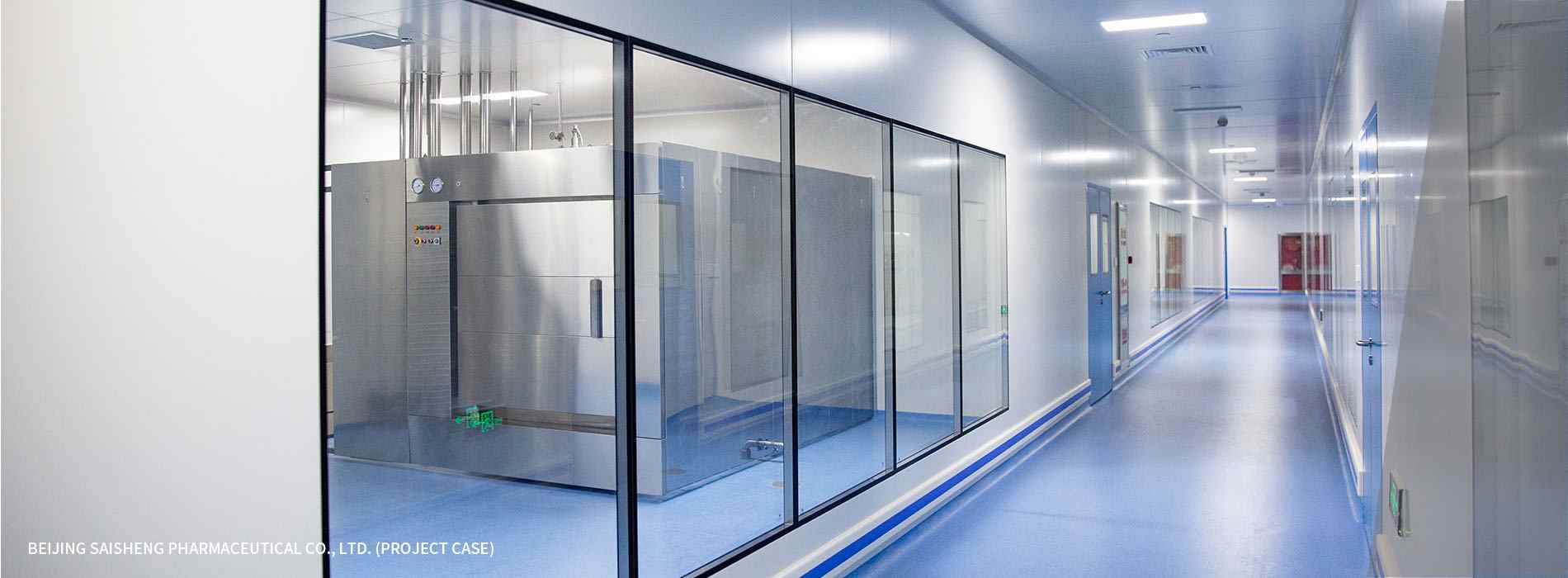
If you have questions or suggestions,please leave us a message,we will reply you as soon as we can!
Contact usWith the rapid advancement of the biological industry and modern biotechnology, functional protein separation and purification along with pilot-scale testing of novel biopharmaceuticals have become critical technologies in modern biopharmaceutical engineering. The biotechnology sector is vast and complex, encompassing diverse industrial projects. From an architectural perspective, facility planning, cleanroom construction, maintenance, and operations management constitute essential elements across various biotechnology engineering projects.
In recent years, as small-molecule drug discovery faces rising challenges and large-molecule biologics expand rapidly, recombinant proteins, vaccines, monoclonal antibodies, and next-generation therapeutics have become prime growth drivers for the biomedical industry. The biotechnology sector is vast and complex, spanning wide-ranging industrial projects. Architecturally, rigorous facility planning, engineering construction, ongoing maintenance, and management serve as vital foundations for biopharmaceutical projects.
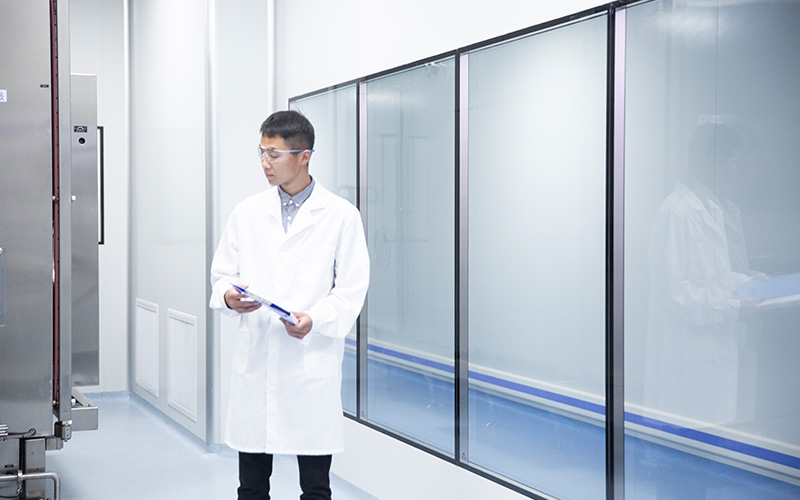
Biopharmaceutical cleanroom facilities must adhere to domestic and international GMP regulations, standardizing clean space environmental standards, safety design methods, and architectural planning. Successful pharmaceutical plant design encompasses sound process engineering, utility systems, process equipment conforming to ASME BPE 2012 standards, optimized architectural space, cleanroom wall panels and cleanroom ceiling panels, personnel and material flow lines, room sizing, energy-efficient HVAC systems that eliminate contamination risks, and comprehensive operational plans with complete execution records.
Biopharmaceutical plant design and cleanroom construction must take into account equipment layout, workflow lines, aseptic processing, quality control (QC), quality assurance (QA), regulatory standards, biosafety, and biological waste disposal to ensure seamless drug manufacturing operations. Furthermore, the design, construction, and validation of biopharmaceutical facilities must fully comply with GMP audit requirements:
1. Process equipment selection follows the principles of advanced technology, practicality, economy, and reliability, sourcing efficient key bioprocess equipment to enhance enterprise manufacturing capabilities.
2. Master facility planning ensures clear functional zoning, a logical layout, and smooth operational flows that prevent cross-contamination between personnel and materials, while meeting all fire protection, urban planning, occupational safety, health, and environmental protection standards.
3. Engineering design focuses on energy efficiency, environmental protection, and fire safety measures. Environmental engineering enforces the "three-simultaneity" principle of concurrent design, construction, and commissioning alongside the main project. Additionally, the facility design must fulfill immediate operational needs while providing scalability for future business expansion.
The biopharmaceutical engineering project design process encompasses fundamental project engineering procedures, process design, material balance, energy balance, and thermal data estimation. It also involves process equipment design, material corrosion control and prevention, workshop layout, pipeline engineering, pharmaceutical cleanroom HVAC purification system design, and non-technical design elements (including architectural design, process water preparation, water supply and drainage, power distribution, refrigeration, heating and ventilation, occupational safety, environmental protection, and engineering economics).
Biopharmaceutical engineering design is a comprehensive discipline integrating pharmaceutical science with engineering principles and practical industrial applications to execute planning, facility design, large-scale commercial drug manufacturing, and quality control. The primary objective of biopharmaceutical engineering design research is to investigate how pharmaceutical facilities organize, plan, and implement full-scale industrial biopharmaceutical production, ultimately establishing advanced manufacturing enterprises characterized by superior product quality, cutting-edge technology, high labor productivity, environmental compliance, and safe operational standards.
Following the successful laboratory development of new biologics, key challenges involve scaling them into clinical-grade therapeutics, converting innovative technology into tangible productivity, and generating economic returns through industrial-scale manufacturing. Biopharmaceutical engineering design addresses these critical phases by facilitating the transition from bench-scale drug discoveries to commercialized products, translating laboratory breakthroughs into actionable engineering plans for pharmaceutical facility construction and operational deployment.
As biopharmaceutical manufacturing processes become increasingly complex, diverse raw material specifications can elevate the risks of human operational error and product cross-contamination. Consequently, optimizing the cleanroom facility process layout is essential. To prevent operational confusion and cross-contamination across personnel and material workflows, the engineering design code specifies 4 fundamental requirements:
1. Establish dedicated, separate entry and exit channels for personnel and materials respectively.
2. Personnel and materials entering cleanroom production areas must utilize independent airlock and purification facilities.
3. Only essential process machinery and production equipment should be installed within active operational areas.
4. Elevators designated for personnel and material transport must be separated and positioned outside cleanroom areas. Furthermore, specific regulatory guidelines govern cleanroom zoning, auxiliary production room placement, and environmental cleanliness classifications.
Effective personnel decontamination and purification protocols are vital for pharmaceutical cleanrooms to achieve and sustain cGMP compliance. Because personnel represent the primary source of cleanroom contamination, improper or inadequate gowning and airlock purification procedures can introduce significant volumes of airborne particles and viable microorganisms, severely compromising cleanroom air purity.
Because pharmaceutical equipment integrity and installation quality directly determine cleanroom air hygiene, design codes require clean areas to utilize dust-resistant, contamination-proof equipment. Comprehensive technical specifications govern equipment structures, component materials, internal and external surface finishes, mechanical drives, filtration media, accessory devices, and installation standards.
When the equipment is installed in rooms or cleanroom wall panels spanning different cleanliness levels, secure mounting and dependable sealing partition devices must be used to ensure that required cleanliness specifications are met. When utilizing conveyor belts for material transfer between different air cleanliness zones, the conveyor belt should not pass directly through the partition to prevent cross-contamination, but should transport materials in sections on both sides of the partition. In non-sterile product manufacturing areas, material transfers between different air cleanliness areas must be conducted in sections unless continuous disinfection methods are adopted by the transfer device.
Key considerations when designing a biopharmaceutical plant include product requirements and risk assessments; critical process steps; product protection and contamination prevention; hazard mitigation and personnel protection; environmental pollution control methods; aseptic processing categories; open versus confined production; overall facility design; production areas and HVAC systems.
For building design and facility layout, key considerations include design standards; layout and logistics flow; room functions; interior surface finishes and construction materials; transition areas; and support areas.
For mining ventilation and air-conditioning systems (HVAC), essential factors include costs; particulate contamination sources; critical environmental parameters; risk assessment; facility layout and HVAC system requirements; process and HVAC system coordination; monitoring systems; HVAC system qualification; and cleaning and maintenance of HVAC systems.
For electrical installations, key considerations include power distribution; illumination; hazardous operating environments; electrical conduits; door interlock systems; power sockets and other electrical equipment.
For control and instrumentation, critical process environments must be evaluated; production process parameters; instrumentation lists; and electrical installation specifications.
When implementing isolator technology, attention must be paid to system definition; equipment engineering design; isolator decontamination procedures; high-level disinfection (RABS and other barrier designs); environmental monitoring; isolator leak detection; and air handling system inspections.
If you want to learn more about the pharmaceutical industry, please contact us, Cnsterilezoom.cleanroom@gmail,com.we will be happy to discuss the future development trend of the pharmaceutical industry with you.
 online service
 info@cnsterilezoom.com