
 English
 français
 Deutsch
 русский
 español
 العربية
 日本語
 한국의
 ไทย
 हिन्दी

question?
If you have questions or suggestions,please leave us a message,we will reply you as soon as we can!
Contact us

If you have questions or suggestions,please leave us a message,we will reply you as soon as we can!
Contact usChina's domestic container prices surge nearly 10 times: ports are starved for containers, and foreign trade enterprises face an acute container shortage!
For quite some time across many Chinese ports, long queues have persistently formed around container registration areas as logistics personnel wait for equipment.
Since the third quarter of last year, container shortages have expanded across major ports. According to multiple media reports, scalpers have taken advantage of the deficit to inflate fees, and paying an extra 3000 dollars may still fail to secure a container. A large number of production enterprises are deeply troubled by the container deficit, with many manufacturers seeing their warehouses packed with unshipped inventory.
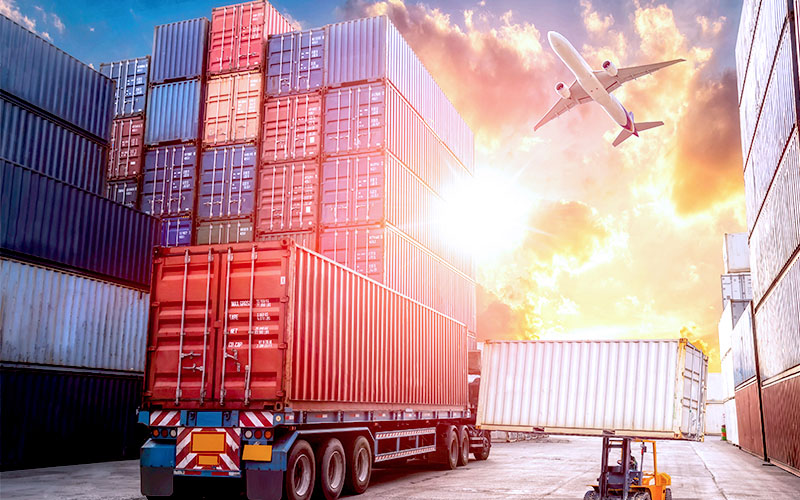
Growing enterprise anxiety continues to drive container sales prices upward. In the first half of 2020, the price of a standard 20-foot container stood at $1,600, but has now climbed to as high as $3,600. Meanwhile, the high-demand 40-foot container has surged to an all-time high of $5,950, more than doubling in cost. Even more concerning is that this upward pricing trend continues unabated.
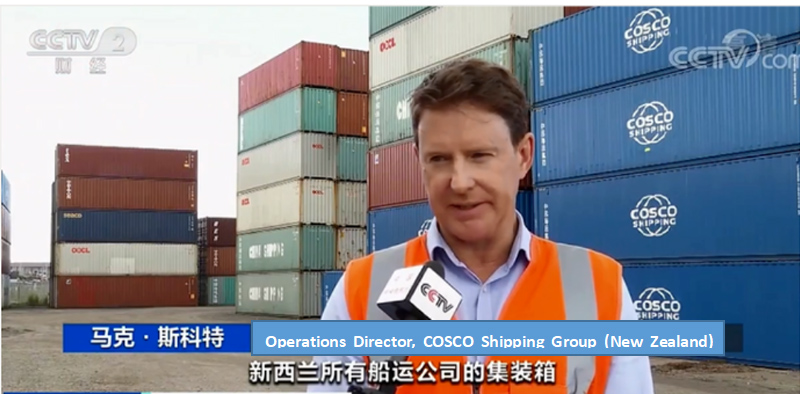
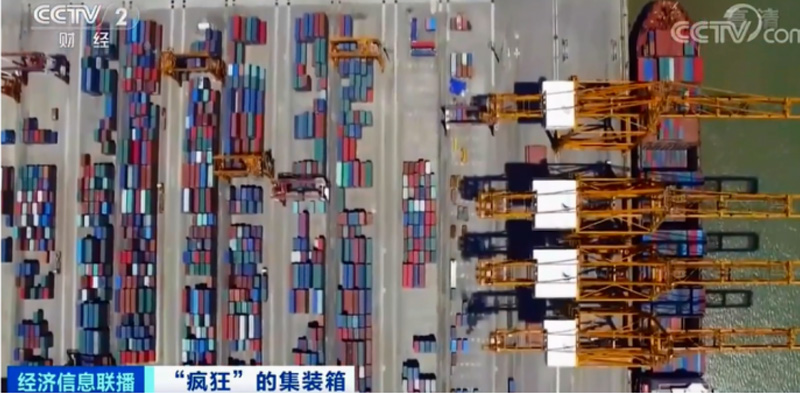
In stark contrast to China's domestic container deficit, many international ports outside the country are facing severe container backlogs. For instance, at the Port of Auckland in New Zealand, five new storage yards had to be established since the second half of 2020 to hold stranded empty units. At peak congestion, nearly 6,000 empty containers were trapped in Auckland alone.
Industry data indicates that between 10,000 to 15,000 containers remain stranded in California. At Port Felixstowe in the UK, container congestion has spilled beyond terminal gates into surrounding suburbs. Meanwhile, Australian ports are holding over 50,000 empty containers. Currently, empty container stockpiles at key international freight hubs stand at three times their normal levels.
This surge in maritime shipping rates stems from multiple compounded challenges, including the severity of overseas outbreaks and the Suez Canal blockage, which drastically intensified pressure across global logistics. Two months after the Suez Canal obstruction, downstream operational reverberations persist. Combined with the cumulative fallout of COVID-19, global supply chains face widespread transit delays and severe harbor congestion. In New Zealand, more than 10 container ships have frequently been queued at the outer anchorage of Auckland port, enduring average delays of 8 to 10 days to load and unload cargo.
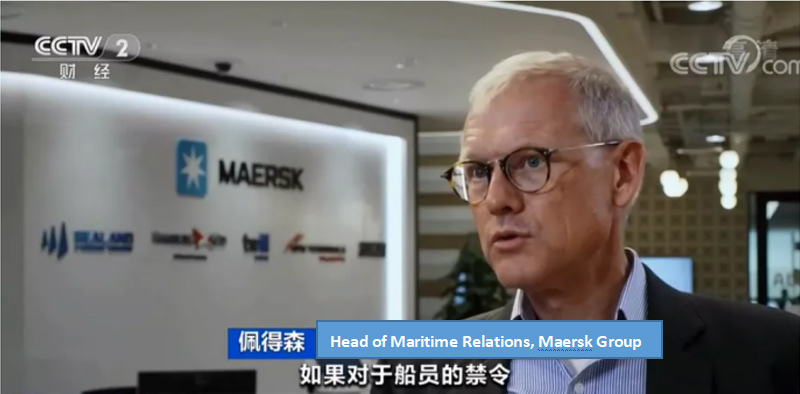
Conditions aboard vessels were equally challenging, as COVID-19 posed an ongoing health risk to mariners. Maersk, the world's largest container shipping company, relies on India for 30% of its crew members. The second outbreak of COVID-19 in India significantly disrupted the carrier's operations. As one of the premier global sources of maritime labor, India supplies roughly 15% of the world's seafarers. The recent catastrophic surge in infections across India led various international ports to enforce strict quarantine measures on incoming crews and vessels. This is without a doubt
Driven by international economic recovery, worldwide trade demand has rebounded significantly. Supported by effective domestic pandemic control, China's manufacturing sector has shouldered a vital role within global supply chains. Official trade statistics reveal that China's total import and export value of tradable goods during the first four months of this year expanded by 28.5 percent compared to the same period in 2020, and climbed 21.8 percent relative to 2019 levels.
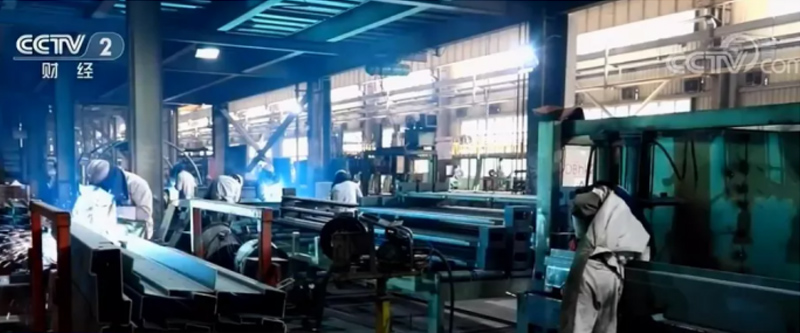
Approximately 90 per cent of global trade is transported via maritime shipping routes, meaning persistent logistics bottlenecks threaten the broader worldwide economic recovery. In response, China has implemented extensive initiatives to unblock essential maritime trade arteries. As the foremost global container manufacturing hub, China produces over 96 percent of international dry cargo containers and 100 percent of refrigerated containers. To alleviate the widespread "one box is hard to find" dilemma, Chinese container manufacturers are working overtime to produce containers.
Measures such as the China-Europe freight train, air cargo, and combined rail and waterway container transport have paved a new path for China's foreign trade. Nevertheless, in the face of massive shipping demand, these alternative transport solutions remain a drop in the bucket. Full relief will only come as the widespread rollout of vaccines brings the epidemic under complete control.
 online service
 info@cnsterilezoom.com