
 English
 français
 Deutsch
 русский
 español
 العربية
 日本語
 한국의
 ไทย
 हिन्दी


question?
If you have questions or suggestions,please leave us a message,we will reply you as soon as we can!
Contact us
If you have questions or suggestions,please leave us a message,we will reply you as soon as we can!
Contact usThe clean room originated in the medical industry and expanded significantly through microelectronics manufacturing. With the continuous advancement of science and technology, clean air standards and particulate control requirements have become increasingly strict across scientific research and production processes.
A growing number of industries now utilize modular clean rooms. At present, clean rooms are widely utilized in microelectronics, optoelectronics, pharmaceuticals, medical technology, microbiology, precision instruments, aerospace, aviation, food processing, healthcare products, cosmetics, and related industries. However, various misconceptions still exist regarding the application of clean rooms. The most common misunderstandings are as follows:
1、Using clean rooms out of compliance rather than genuine operational necessity.
This phenomenon exists across instrumentation, food processing, pharmaceuticals, healthcare products, cosmetics, and other industries.
Some cleanroom users do not fully understand why they need a clean room, what a clean room truly entails, or how to meet technical criteria. They only recognize the regulatory requirements of technical standards or supervisory departments. Cleanrooms are often built solely to obtain production licenses or pass inspections, resulting in facilities that exist in name only.
2、Assuming initial acceptance qualification guarantees ongoing performance.
Many believe that once a clean room passes qualification, no further issues will arise; in reality, this is not the case. Completion acceptance is typically conducted under empty, static conditions, measuring baseline cleanliness without personnel or activity. However, dynamic cleanliness during active operation is what directly governs scientific research and manufacturing outcomes. Cleanliness under dynamic conditions often differs substantially from static or open conditions.
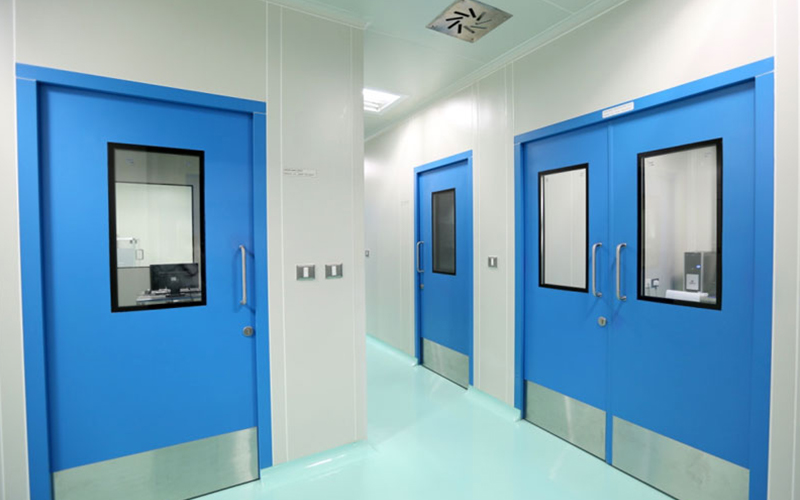
Numerous factors impact cleanliness under dynamic conditions, including contamination from operators, production machinery, raw materials, and manufacturing processes. Therefore, contamination sources must be thoroughly analyzed, researched, and controlled to maintain cleanliness within required operational tolerances. To prevent system degradation, facilities must implement continuous monitoring to detect and resolve problems promptly.
3、Operating clean rooms without continuous monitoring.
Contaminants released from pollution sources can compromise product quality and yield rates. In addition, filter media may develop tears and leaks, airflow supply volumes may fluctuate, operational protocols may lapse, and external ambient conditions may shift—all degrading cleanroom cleanliness. Consequently, facility operators must regularly test and verify cleanroom cleanliness to ensure continuous compliance.
Standard cleanrooms require regular testing and monitoring: some facilities must be inspected daily, others weekly, and some on a monthly basis. The specific testing cycle depends on the cleanroom cleanliness classification level. In general, environments with higher cleanliness ratings require shorter inspection intervals, whereas critical, demanding cleanrooms demand continuous monitoring to verify that target cleanliness standards are maintained at all times.
4、Focusing solely on product protection while neglecting worker safety.
What is hazardous to a manufactured product differs fundamentally from what is hazardous to personnel. Certain substances threaten product integrity yet remain harmless to humans, whereas others pose severe health risks to workers without affecting the product. For example, sodium chloride causes no harm to people but is highly detrimental to microelectronics. Conversely, toxic gases generated during manufacturing may not degrade the product, but they pose significant hazards to worker health.
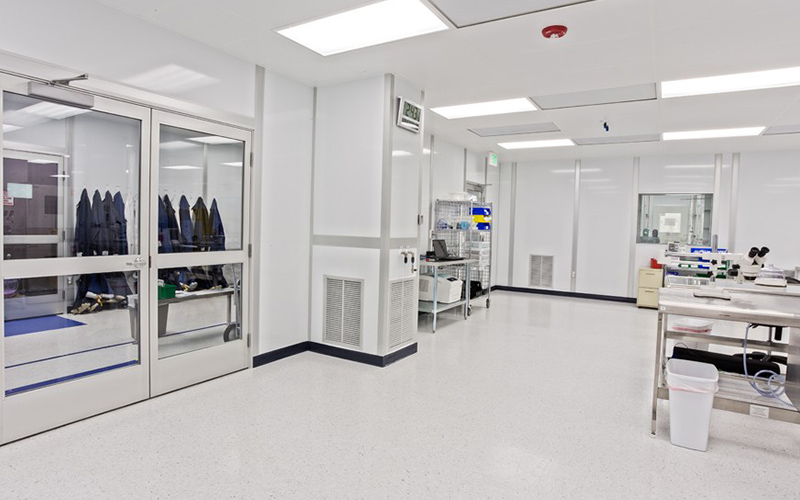
Traditional cleanrooms primarily prioritize product contamination control, often giving minimal or no consideration to operator safety. However, human health remains the highest priority. Cleanroom operations must actively safeguard worker well-being alongside product quality and yield rates. In standard cleanroom HVAC systems, fresh air typically accounts for only 30% of the total air supply.
If higher volumes of hazardous gases are released during production, the following control measures should be implemented: (1) increase the overall air supply volume; (2) raise the proportion of outdoor fresh air; (3) control and reduce harmful gas emissions at the source; (4) install dedicated local exhaust ventilation to discharge contaminants directly outdoors; and (5) incorporate air purification equipment to effectively remove hazardous airborne substances.
Sectors such as electronics, pharmaceutical manufacturing, and cosmetics production frequently generate elevated levels of hazardous fumes and vapors. Because these emissions pose direct health hazards to workers, safeguarding personnel safety is of paramount importance.
5、Single pollution sources contaminating the entire cleanroom environment.
Substantial capital is often invested in constructing advanced cleanroom facilities. However, improper containment or handling of a single contamination source within production machinery can release airborne pollutants throughout the entire space, effectively compromising the cleanroom's intended cleanliness standards.
Significant contamination sources generated by manufacturing equipment require dedicated containment, individualized treatment, and independent local exhaust systems. Furthermore, cleanroom operators should prioritize low-emission production machinery and implement low-polluting raw materials wherever feasible.
6、Relying solely on work garments while ignoring bodily particle shedding.
Empirical monitoring confirms that operating personnel represent the primary source of cleanroom contamination. Specialized cleanroom apparel serves as the principal barrier against human-generated particulates. Garment specifications vary according to the cleanliness class: in lower-tier pharmaceutical cleansing rooms where suits are not fully sealed, skin flakes and lint from workers' undergarments readily disperse into the ambient air, degrading room cleanliness. Lint and dust shed from personnel undergarments constitute a major contamination hazard.
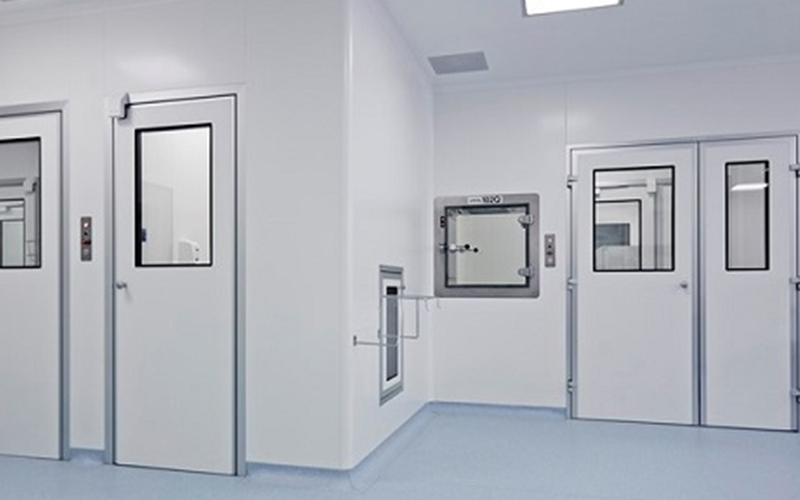
Personnel skin dander is also a major source of contamination. Numerous large particles shed from undergarments and the human body are released into the clean room air, significantly impacting the product. Therefore, a medical clean room requires strict standards not only for overall cleanliness and sterilization, but also higher requirements for personal hygiene and clean undergarments among clean room personnel.
7、Cleanroom operation without management.
Some facilities only utilize clean rooms without ongoing management. In fact, dust accumulation, production equipment contamination, raw material impurities, personnel pollution, reduced air volume, high-efficiency filter leakage, and other factors reduce clean room cleanliness. As a result, product quality degrades and the pass rate decreases. Therefore, to ensure product quality and increase qualification rates, clean room management must be reinforced. In general, a designated person should be assigned to manage the clean room.
 online service
 info@cnsterilezoom.com